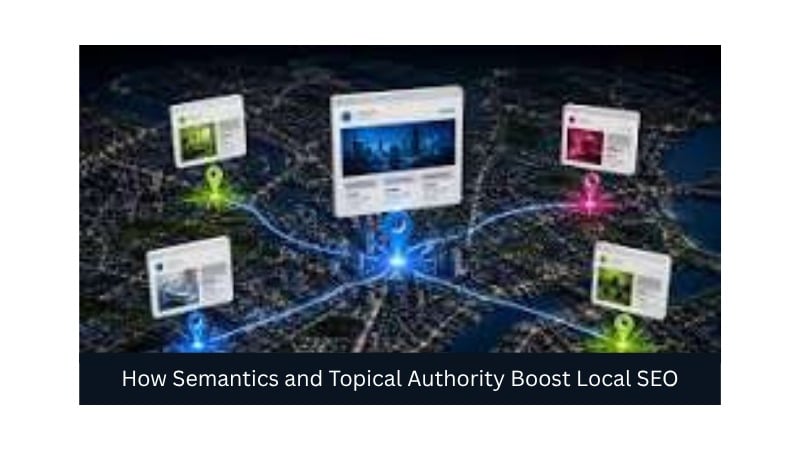
Are you struggling to rank your local business’s website after repeating city names throughout the site? Is it discouraging to watch your nearby competitors attract more customers while your rankings remain unchanged?
Smart business owners solved that challenge by learning how semantics and topical authority boost local SEO through meaningful content, complete topic coverage, and stronger local relevance.
First, search engines no longer depend on exact keywords to understand website content. Modern systems examine meaning, user intent, and relationships between related topics. Years ago, businesses ranked by placing identical keywords across many pages.
Google now rewards websites that answer customer questions with helpful, complete information. Strong topic coverage helps search engines recognize genuine expertise within your local market.
How semantics and topical authority boost local SEO explains why meaningful content earns greater trust and stronger local visibility.
Decoding the Basics: What Are Semantics and Topical Authority in Local SEO?
Next, local search has changed because search engines understand language more like people. Semantics focuses on the meaning behind words instead of exact keyword matches. Search systems connect related ideas across every page of your website.
Topical authority shows how well your business covers one subject or service. Complete coverage helps search engines trust your website with greater confidence.
Building topical authority requires planning, patience, and useful information for local customers. Google evaluates how well your website answers important customer questions every day.
More so, helpful pages support each other through clear organization and logical internal links. Strong topic connections increase your chances of earning better local search rankings. Businesses that publish valuable information often gain lasting trust from nearby customers.
How Google Measures Context: Entities, Meaning, and Knowledge Graphs
Then, Google uses the Knowledge Graph to understand businesses, places, people, and services. SEO professionals call these real-world items entities because search engines recognize them individually. Google compares your business name, address, services, and website for consistent information.
Trusted directories and local citations strengthen your digital identity across the web. Clear business details help Google understand your location and primary services correctly.
Entity SEO supports stronger local rankings by reducing confusion about your business identity. Accurate business information creates confidence for search engines and local customers alike.
Google connects related details before displaying businesses within relevant local search results. Strong entity signals improve your chances of appearing for valuable nearby searches. Reliable information builds lasting trust that supports long-term local SEO success.

No Tech Jargon. Just More Customers.
We aren’t here to hide behind abstract technical metrics to mask a lack of results. Most agencies use complex algorithmic jargon just to confuse you and justify overcharging. JoseOne enjoys literally 100% client retention because, nothing is expensive when it’s worth what you pay for it.
How Semantics and Topical Authority Work Together
Meanwhile, semantics and topical authority produce stronger results when they support each other. Semantic SEO helps Google understand the meaning behind every content page.
Next, topical authority proves your business understands each service through complete, helpful information. Combined strengths build trust between your website and modern search systems. Greater trust often leads to stronger local rankings and better organic visibility.
Related pages create clear paths for both visitors and search engine crawlers. Internal links connect valuable information without confusing users during their journey.
Helpful answers encourage visitors to remain longer and explore additional service pages. Positive user experiences strengthen your website’s reputation across local search results. Strong content relationships create lasting growth for businesses serving nearby communities.
Why Semantic SEO Drives Local Map Packs, Voice Search, and Long-Tail Traffic
Afterward, semantic SEO helps local businesses appear for more relevant customer searches every day. Google selects map listings based on relevance, distance, and overall business credibility.
Rich content provides stronger context for every service, location, and customer need. Better context increases your chances of earning valuable positions inside local map results.
Long-tail searches often reveal clear buying intent from nearby customers seeking specific solutions. Helpful content answers detailed questions before visitors contact your business for assistance. Strong answers build trust and encourage potential customers to choose your services confidently. Local businesses often gain better conversions through detailed pages covering real customer concerns.
Thus, voice search continues growing because people prefer speaking instead of typing many searches. Most voice searches use natural questions instead of short keyword phrases today.
Semantic SEO prepares your pages for conversational language and everyday customer speech. Clear answers help search systems match your content with spoken local searches. Businesses that support voice search remain visible as search habits continue changing.
Step-by-Step Strategy: How Semantics and Topical Authority Boost Local SEO
Building topical authority starts with a clear plan covering every important customer question carefully.
- List every core service your local business offers.
- Group related services into logical topic categories.
- Create one main page for every major service.
- Write supporting articles that answer common customer questions.
- Connect every related page through helpful internal links.
Helpful topic clusters make your website easier for visitors and search engines to understand. Complete service coverage shows real knowledge instead of limited information about one subject.
Quality pages answer customer concerns before they compare other local businesses online. Strong organization improves user experience while supporting better local search performance. Regular updates keep your content useful as customer needs continue changing.
Semantic Keyword Integration: Finding and Placing Natural Local Terms
Successful keyword research focuses on meaning instead of repeating identical search phrases everywhere. Customers describe problems using many different words during everyday online searches.
So, related terms help Google understand your services with greater accuracy and context. Natural language creates stronger connections between your content and customer search intent.
Place semantic keywords naturally inside headings, page content, image descriptions, and internal links. Choose words that match normal conversations instead of forced keyword combinations everywhere.
Thus, easy language improves readability while helping visitors understand your services without confusion. Helpful writing builds trust because customers value clear answers over repeated keywords. Rich vocabulary strengthens your website without sacrificing quality or natural reading flow.
Simple Affordable Rates
At JoseOne, we keep it simple. You don’t need a degree in search engine mechanics—you just need more traffic, more phone calls, and more sales. We offer one, fully-loaded package for just $3 per day, to get your business ranking higher on Google, with a 100% Money-Back Guarantee. We handle the technical heavy lifting so you can focus on running your business.
Essential Local Content Formats: Location Pages, Service Clusters, and Guides
Overall, every page should support one clear purpose within your local SEO strategy. Different content formats help customers during different stages of their buying journey.
- Location Pages: Share business locations, service areas, contact details, and business hours.
- Service Pages: Explain each service with clear benefits, pricing factors, and customer solutions.
- Helpful Guides: Answer common questions and solve problems before customers contact your business.
Each content type supports another page through logical internal links and related topics. Strong connections help visitors move across your website without losing important information.
Organized topic clusters show Google that your business understands every service completely. Complete coverage strengthens trust and supports better visibility across local search results.
Entity SEO and Schema: Strengthening Semantics and Topical Authority
Entity SEO helps Google recognize your business through accurate and consistent online information. Structured data explains important business details using language that search engines understand.
Besides, schema markup identifies your business type, location, services, and contact information clearly. Clear technical details support stronger confidence across local search results.
Optimizing Your Google Business Profile
Your Google Business Profile acts as the center of your local online presence. Keep your business name, address, and phone number consistent across every platform.
Choose business categories that match your services and website content carefully. Fresh photos and useful updates show customers that your business remains active.
Building Strong Schema Connections
Schema markup connects your website with trusted business information across the internet. Link social profiles, business listings, and service details through accurate structured data.
Moreover, matching information removes confusion and strengthens your online business identity. Strong entity signals support better local rankings and greater customer confidence over time.
Internal Linking Frameworks: Structuring Topic Clusters for Maximum Value
Internal links connect related pages and strengthen your website’s overall content structure naturally. Every supporting article should guide visitors toward important service and location pages.
Clear anchor text explains each destination before visitors open another page. Helpful navigation improves user experience while supporting stronger search engine understanding.
Therefore, keep links inside related topic clusters instead of connecting unrelated website sections randomly. Focused linking helps search engines understand relationships between your most valuable pages.
Strong page connections distribute authority across your website through meaningful content paths. Well-planned internal links support lasting growth and stronger local search performance.
Common Semantic SEO Mistakes That Hurt Local Rankings
Many businesses lose valuable rankings because they follow outdated SEO practices every day. Thin pages rarely answer customer questions or demonstrate real knowledge about local services.
Search engines prefer complete information that solves problems with clear and helpful answers. Strong content always performs better than short pages with repeated keywords alone.
Avoid these common mistakes before they reduce your local search visibility.
- Publishing thin pages for every nearby town without useful information.
- Repeating keywords instead of writing naturally for real customers.
- Ignoring customer search intent during content planning.
- Leaving important pages without internal links.
- Keeping outdated business details across online directories.
Simple improvements help your website build stronger trust and earn better local rankings.
Measuring Your Local SEO Success: How Semantics and Topical Authority Boost Local SEO
Tracking performance helps you understand which strategies produce meaningful business growth over time. Google Search Console shows the queries that are bringing visitors to your important website pages. Google Business Profile Insights reveal customer actions after discovering your local business.
In addition, keyword tracking tools measure ranking changes across your target service areas accurately. Regular reviews help you improve weak pages and strengthen successful content.
Pay close attention to these important performance indicators.
- Organic traffic growth.
- Local keyword rankings.
- Phone calls from Google Business Profile.
- Website visits.
- Direction requests.
- Contact form submissions.
Reliable data supports smarter decisions and helps your local SEO strategy improve steadily.
Preparing for the Future of Local Search
Artificial intelligence continues changing how people discover nearby businesses through online search. Modern search systems understand natural language with greater speed and stronger accuracy.
Helpful content now matters more than repeating exact keywords across every website page. Complete topic coverage gives search engines greater confidence in your business expertise.
Businesses that answer customer questions clearly will remain competitive as search technology evolves. Strong websites continue growing because they solve real customer problems with honest information.
Besides, clear organization, accurate business details, and useful content build lasting trust over time. Consistent improvements help businesses stay visible despite future search algorithm updates.
Frequently Asked Questions
What is semantic SEO?
Semantic SEO helps search engines understand the meaning behind your content instead of matching exact keywords. Related topics and natural language improve search relevance and user experience.
What is topical authority?
Topical authority shows that your website covers one subject with complete and helpful information. Search engines trust websites that answer customer questions better than competitors.
How does semantic SEO improve local rankings?
Semantic SEO gives search engines better context about your business, services, and customers. Better understanding often increases visibility across local search results and map listings.
How can small businesses build topical authority?
Small businesses should create detailed service pages, answer customer questions, and publish related guides. Strong internal links connect every page into one trusted topic cluster.
Does Google Business Profile support topical authority?
Yes. Accurate business information matching your website strengthens trust and supports better local visibility. Consistent details help Google understand your business with greater confidence.
Summing Up
Lastly, modern local SEO depends on knowledge, trust, and complete topic coverage instead of outdated keyword tactics. Businesses earn stronger visibility by answering customer questions with useful and organized information.
Semantic SEO helps search engines understand every service through meaningful relationships and clear context. Topical authority proves your expertise across every important subject your customers search regularly.
Finally, how semantics and topical authority boost local SEO remains one of the strongest strategies for building lasting local visibility, attracting qualified customers, and growing your business through sustainable organic search success.