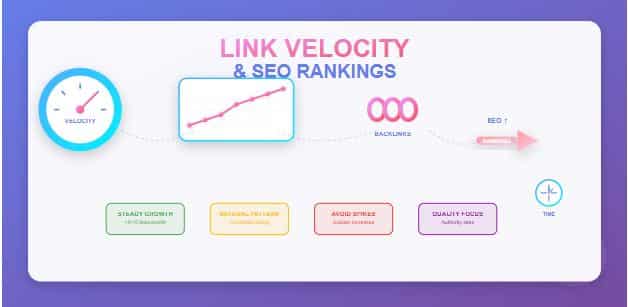
Are you struggling to improve your search rankings even after building solid backlinks? The issue might not lie in how many you’ve earned—but how quickly they’re appearing.
That’s where link velocity comes in—a critical SEO factor many overlook. Search engines don’t look at what you’re building, but also how fast.
Furthermore, if your backlink profile grows too quickly or too slowly, it may raise red flags or stall your progress.
What is Link Velocity? How It Impacts SEO and Rankings. In this guide, I’ll break down helping you understand the pace of backlink growth, why it matters, and how to manage it naturally.
Whether you’re starting or optimizing an established site, mastering link velocity is key to ranking higher without risking penalties.
Let’s get started!
What Is Link Velocity? A Quick Overview
First, link velocity tracks how fast your site gains backlinks. Backlinks are links from other sites to yours. They tell Google your site is trustworthy. A steady backlink growth rate builds authority. Too many links too fast look spammy.
In addition, too few links slow your progress. For example, a small blog might gain 10 links monthly. Suddenly getting 100 links raises red flags. Knowing what link velocity is? How it impacts SEO and rankings guides smart link building. It’s key for all website owners.
Why Link Velocity Matters for SEO_ What is Link Velocity? How It Impacts SEO and Rankings
Link velocity shapes how search engines view your site. Backlinks are a top-ranking factor. A 2023 Backlinko study found 94% of top-ranking pages have backlinks. Consistent link growth earns Google’s trust. Sudden unnatural link spikes risk penalties.
Next, slow growth stalls your rankings. Link velocity affects traffic and visibility. It’s a core part of search engine ranking factors. Mastering it helps you beat competitors. Plan your link building to stay natural.
How Link Velocity Works in Search Engines
Google tracks your backlink acquisition timeline. It checks how fast links appear. Organic growth, like links from blogs, looks natural. Buying links triggers warnings. Google’s Penguin algorithm monitors SEO backlink velocity.
Moreover, a balanced pace signals a reliable site. Too many links too fast seem spammy. Understanding this avoids problems. Quality and timing matter more than numbers. Build links steadily to rank higher.

No Tech Jargon. Just More Customers.
We aren’t here to hide behind abstract technical metrics to mask a lack of results. Most agencies use complex algorithmic jargon just to confuse you and justify overcharging. JoseOne enjoys literally 100% client retention because, nothing is expensive when it’s worth what you pay for it.
Types of Link Velocity: Positive, Negative, Neutral
Link velocity has three types. Positive velocity means steady link growth. It boosts rankings over time. Negative velocity occurs when you lose links. It hurts your rankings. Neutral velocity shows no change, stalling progress.
Also, each type affects search engine ranking factors differently. For example, a blog gaining five quality links monthly has positive velocity. Losing links from a bad site creates negative velocity. Plan a natural link-building strategy to stay positive.
Calculating Link Velocity| A Simple Guide
Measuring link velocity is straightforward with tools. Use Ahrefs or SEMrush to track your backlink growth rate. Count new links weekly or monthly. Small sites might gain 10 links monthly. Larger sites could target 50.
Furthermore, compare with competitors in your niche. A 2024 Moz report says 68% of U.S. businesses track backlinks for SEO. So, this data shapes your link-building speed SEO plan. Keep growth safe and steady.
What Is a Healthy Link Velocity?
Now, healthy link velocity varies by niche. Small blogs might gain 5–10 links monthly. E-commerce sites could aim for 20–50. Check competitors to set goals. A steady pace builds an organic backlink profile. Too fast risks Google flagging manipulation.
Too slow, let’s rivals pass you. Focus on consistent, quality links. It ensures safe link velocity for SEO. Beginners start small, while pros scale smartly.
Natural vs. Unnatural Link Velocity_ What is Link Velocity? How It Impacts SEO and Rankings
Natural link velocity mimics organic growth. Links from guest posts or PR look authentic. Unnatural velocity comes from buying links or spammy tactics. Google’s Penguin update targets unnatural link spikes. For example, gaining 200 links overnight risks penalties.
Additionally, natural growth builds trust over time. Use a natural link-building strategy to stay safe. Quality links from trusted sites win. Avoid shortcuts that hurt rankings.
How Link Velocity Impacts SEO and Rankings
What is link velocity? How it impacts SEO and rankings boils down to trust. Steady link growth signals a reliable site. It lifts rankings and traffic. Sudden spikes can drop you in search results. For example, a blog with consistent links outranks erratic ones.
Then, link velocity works with search engine ranking factors like content and speed. A balanced approach keeps you visible. It’s vital for long-term SEO success.
Link Velocity and Google Algorithm Updates
Google’s algorithms shape the impact of link velocity. The 2012 Penguin update penalizes unnatural link patterns. It flags spammy or low-quality links. Recent updates track Google algorithm and link velocity trends. Steady, quality links rank higher.
Moreover, avoid link farms or paid links. Google rewards organic growth. Stay updated on algorithm changes. It keeps your link-building speed SEO strategy safe. Protect your rankings from sudden drops.
Risks of Unnatural Link Velocity
Also, unnatural link velocity brings serious risks. Rapid link spikes invite Google penalties. Low-quality links from spammy sites harm rankings. For example, buying 100 links from bad sources can tank your site.
Penalties may remove you from search results. Recovery takes months of effort. Stick to safe link velocity for SEO. Quality beats quantity every time. Prioritize trusted, relevant links to stay safe.
Building a Natural Link Velocity_ Easy Steps
Next, building natural link velocity is simple. Create engaging content like blogs or infographics. Share them on social media to attract links. Write guest posts for trusted sites. Use digital PR for news site mentions. These steps ensure an organic backlink profile. Here’s how to start:
- Publish one quality blog post weekly.
- Pitch guest posts to niche blogs.
- Share content on social platforms.
- Use PR for authority site links. Avoid spammy directories or paid links. Beginners can start small, while pros scale up.
Tools to Monitor Your Link Velocity
Furthermore, tools simplify tracking link velocity. Ahrefs shows new and lost links over time. SEMrush tracks your backlink acquisition timeline.
Majestic checks link quality. Compare your growth with competitors. For example, if rivals gain 20 links monthly, aim for 15–25.
These tools ensure safe link velocity for SEO. Set alerts for spikes or drops. Monitoring keeps your strategy on track. Stay proactive to avoid surprises.
Link Velocity for Local SEO
Then, link velocity helps local businesses shine. Citations from directories like Yelp boost rankings. A steady backlink growth rate improves map pack visibility. For example, a café gaining five local links monthly thrives.
Too many links too fast look unnatural. Use local PR or community blogs. So, this supports link building speed SEO for local searches. Small businesses targeting nearby customers benefit most. Build links steadily to rank higher.
Link Velocity in Competitive Niches
Moreover, competitive niches demand smart link velocity. Tech or finance sites need faster link growth. Aim for 20–50 quality links monthly. Use tiered link building to control the pace. For example, link to guest posts from authority sites.
So, this boosts SEO backlink velocity safely. Monitor competitors to stay ahead. Avoid spammy tactics that trigger penalties. Pros can scale while keeping growth natural.
Simple Affordable Rates
At JoseOne, we keep it simple. You don’t need a degree in search engine mechanics—you just need more traffic, more phone calls, and more sales. We offer one, fully-loaded package for just $3 per day, to get your business ranking higher on Google, with a 100% Money-Back Guarantee. We handle the technical heavy lifting so you can focus on running your business.
Link Velocity and Online Reputation Management
Link velocity aids online reputation management with rapid URL indexing. Quality backlinks push positive content higher. For example, a press release with strong links buries negative reviews.
Also, submit URLs to Google Search Console for fast indexing. It supports SEO crisis management strategies. Steady link velocity builds trust and authority. It helps control your online narrative. Protect your brand’s image with smart link building.
Case Studies: Link Velocity Wins and Losses
Real stories show link velocity’s power. A blog gained 10 links monthly from guest posts. It reached page one in six months. Another site bought 200 links overnight and got penalized.
Next, recovery took three months of cleanup. These cases prove a safe link velocity for SEO. A small business used local citations to rank higher. Consistent growth beats risky spikes. Use these lessons to plan your strategy.
Common Myths About Link Velocity
Furthermore, myths cloud the link velocity’s role. Some believe faster links always rank better. Quality trumps speed every time. Another myth claims all links help rankings. Spammy links hurt your site.
A natural link-building strategy beats quick fixes. For example, one high-authority link outperforms 50 low-quality ones. Debunking myths keeps your SEO on track. Focus on trusted sources for lasting results.
Best Practices for Safe Link Velocity
“‘Then, follow these best practices for safe link velocity:’”
- Publish fresh content weekly to attract links.
- Use guest posts for quality backlinks.
- Diversify sources like blogs and news sites.
- Monitor your backlink acquisition timeline with tools.
- Avoid black-hat tactics like link farms. Aim for 5–20 links monthly, based on your niche. These steps build an organic backlink profile. They work for beginners and experts. Stay consistent for steady growth.
Future of Link Velocity in SEO
Looking ahead, link velocity evolves with SEO. AI tools predict link trends for 2028. Real-time search demands faster, higher-quality link growth. Google’s algorithms will prioritize user trust.
Google algorithm and link velocity will focus on relevance. New AI-driven link analyzers will emerge. Test these tools to stay ahead. A quality-focused strategy keeps rankings high. Adapt to changes for long-term success.
Frequently Asked Questions
What is link velocity in SEO?
Link velocity refers to the rate at which a website gains new backlinks over time. It helps search engines assess the natural growth of a site’s popularity.
Why does link velocity matter for SEO?
A healthy link velocity indicates organic growth, while sudden spikes may trigger spam alerts, harming your site’s rankings.
What is considered a “natural” link velocity?
It varies by industry, but consistent, steady backlink growth that aligns with content output and promotion is typically seen as natural.
Can link velocity impact Google penalties?
Yes. Unnatural link velocity—especially from low-quality sources—can lead to penalties under Google’s Penguin algorithm.
How can I track my link velocity?
Use SEO tools like Ahrefs, SEMrush, or Majestic to monitor your backlink acquisition rate and compare it with industry norms.
Conclusion
Finally, mastering what is link velocity? How it impacts SEO and rankings boosts your site’s potential. A steady backlink growth rate builds Google’s trust.
Next, avoid unnatural link spikes to stay penalty-free. Use tools like Ahrefs to track progress. Create quality content for an organic backlink profile. Pair link velocity with online reputation management with rapid URL indexing to protect your brand.
Start with a natural link-building strategy today. Your rankings will soar in 2025.