Are duplicate pages hurting your website’s rankings? Understanding Canonicalization and SEO solves duplicate content issues and ensures search engines credit the correct page.
More so, canonicalization tells search engines which version of a page matters. Duplicate pages dilute rankings, split link equity, and confuse search engines consistently. Proper canonical tag implementation helps engines index the correct pages.
Therefore, it improves ranking consistency and strengthens overall website SEO performance. Brands mastering Canonicalization and SEO gain long-term advantages in search visibility.
Introduction to Canonicalization in SEO
Firstly, many websites create duplicate pages unintentionally. The same content often appears on multiple URLs. Search engines struggle to determine which version ranks. Consequently, you lose link equity and traffic consistently.
Next, canonicalization solves duplicate problems efficiently. It identifies one preferred URL clearly to search engines. Rankings remain stable, and traffic flows properly. Every website benefits from strong canonicalization practices.
What Is Canonicalization? A Simple Breakdown for Beginners
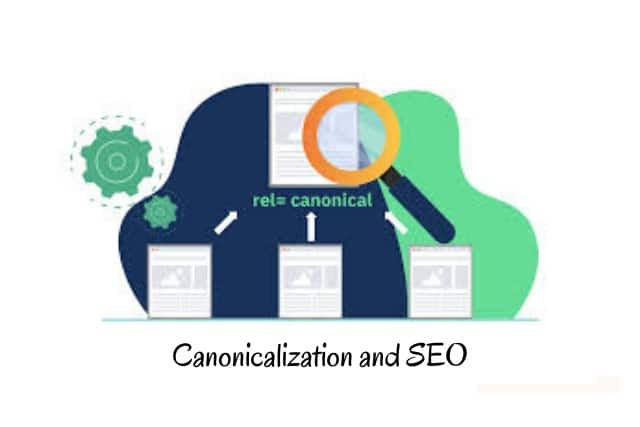
Now, canonicalization chooses a master URL for duplicate pages. Other copies point directly to this URL automatically. Search engines index the selected page, effectively ignoring duplicates.
Moreover, imagine a store selling the same product in multiple aisles. Labeling one page as official immediately guides customers. Search engines process canonical tags similarly. Canonicalization ensures clarity and usability for both users and engines.
Why Canonicalization Matters for SEO and AI Search Visibility
Then, duplicate content damages trust in search engines consistently. Link equity splits across multiple pages, harming rankings significantly. Search engines may penalize websites with excessive duplication.
Additionally, AI search relies on clean and authoritative sources. Messy duplicates appear less often in AI-generated answers. Implementing canonicalization keeps websites visible and trusted in advanced search results.

No Tech Jargon. Just More Customers.
We aren’t here to hide behind abstract technical metrics to mask a lack of results. Most agencies use complex algorithmic jargon just to confuse you and justify overcharging. JoseOne enjoys literally 100% client retention because, nothing is expensive when it’s worth what you pay for it.
Common Causes of Duplicate Content and Canonical Problems
Most duplicates arise from technical or structural issues.
- URL Parameters and Tracking Codes: Sessions create multiple page versions quickly.
- HTTP vs HTTPS and WWW Variations: Four versions often exist simultaneously.
- Trailing Slashes, Case Sensitivity, and Pagination: Minor differences generate copies.
- E-Commerce Product Variants and Filters: Colors and sizes produce extra URLs.
Detect these issues early and resolve them to prevent SEO penalties.
How to Implement the Rel=Canonical Tag Correctly_ Canonicalization and SEO
After finding duplicates, insert the canonical tag in page headers. Point each tag to the preferred URL accurately. Engines read the rel=”canonical” tag clearly. Proper placement consolidates link equity and maintains clean indexing.
You write one line in the HTML header. Engines interpret the instruction correctly. Pages remain organized and rank optimally across the website.
Best Practices: Self-Referencing and Consistent Canonicals
Next, always use self-referencing canonical tags on every page. Each page points to itself as canonical consistently.
Also, standardize HTTPS and WWW versions across all pages. Avoid mixed signals that confuse search engines. Canonical URL best practices maintain search trust and ranking power.
Canonical Tags vs. Other Techniques: Redirects, No Index, and Hreflang
Then, compare canonical tags with other SEO solutions.
- Canonical vs. 301 Redirect: Tags suggest preference softly; redirects force permanent change.
- No index: Completely hides pages from search engines.
- Hreflang: Manages language targeting for international SEO.
Choosing the correct method prevents duplicate content issues effectively.
Advanced Canonicalization Strategies for Complex Sites
Experts handle cross-domain canonical tags carefully. Syndicated or guest content keeps authority without penalty. E-commerce sites scale efficiently with canonical tags for product variants.
Filters and sorting URLs receive proper tagging consistently. Correct canonicalization protects link equity and improves overall sales performance.
Common Canonical Mistakes and How to Fix Them_ Canonicalization and SEO
Incorrect canonical tags create loops or point to the wrong URLs. Multiple tags confuse engines and reduce ranking potential. Chains and circular references lower search visibility significantly.
In addition, regular audits reveal these errors quickly. Fix tags consistently and promptly. Clean canonical setups ensure a strong search presence over time.
Tools to Audit and Monitor Canonicalization Issues
After correcting canonical tags, use tools to track implementation. Crawl the website with Screaming Frog regularly. Check Google Search Console for indexation issues. Chrome extensions and online validators also reveal hidden problems.
Monitor weekly for smooth canonical operations. Adjust tags and URLs promptly to maintain SEO benefits.
Measuring the Impact of Proper Canonicalization on Rankings and Indexation
Then, track SEO results using analytics tools. Duplicate pages reduce index bloat substantially. Consolidated link equity strengthens main page rankings consistently.
Traffic merges clearly, improving conversions and overall site performance. Proper canonicalization demonstrates measurable benefits in SEO metrics.
Simple Affordable Rates
At JoseOne, we keep it simple. You don’t need a degree in search engine mechanics—you just need more traffic, more phone calls, and more sales. We offer one, fully-loaded package for just $3 per day, to get your business ranking higher on Google, with a 100% Money-Back Guarantee. We handle the technical heavy lifting so you can focus on running your business.
Your Step-by-Step Plan to Fix Canonical Problems Today
Finally, crawl the entire website to identify duplicate pairs. Apply correct rel=”canonical” tags across all duplicates accurately. Test changes in staging before deployment. Monitor results for one month. Refine implementation to maintain optimal performance.
The Future of Canonicalization in AI-Driven Search
AI-powered search favors websites with clear, consistent signals. Confused sites lose visibility and ranking opportunities. Brands that adopt canonicalization early maintain long-term advantages in search.
Preparing for AI-driven search ensures sustainable SEO benefits. Canonicalization remains critical for future-proof website strategies.
Key Takeaways: Make Canonicalization Part of Your SEO Strategy
Apply canonicalization and SEO thoroughly to prevent duplicate content issues. Use self-referencing tags consistently on all pages.
In addition, implement canonical vs. 301 redirect decisions wisely. Manage e-commerce product variants with proper canonical tagging. Consolidate link equity to maximize rankings efficiently.
Traffic and search visibility improve steadily. Duplicate content problems disappear completely. Start it today for long-term results.
Frequently Asked Questions
What is canonicalization in SEO?
Canonicalization specifies which page version search engines should index.
How does a canonical tag work?
The rel=”canonical” tag points engines to the main URL directly.
When should I use canonical tags?
Use tags for duplicate content, multiple URLs, pagination, or filters.
Can canonicalization affect website ranking?
Correct canonicalization consolidates links and improves rankings efficiently.
What are common mistakes with canonical tags?
Mistakes include missing, wrong, multiple tags or loops in implementation.
Conclusion
Finally, proper canonicalization strengthens SEO, restores link equity, and improves rankings. Applying canonical tags prevents duplicate content and consolidates ranking signals. Mastering Canonicalization and SEO ensures long-term visibility and powerful search performance.