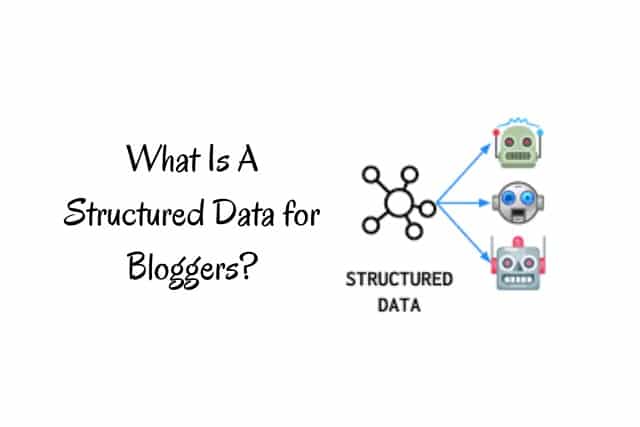
What Is A Structured Data for Bloggers| A Beginner’s Guide to Schema SEO?
What if Google could understand your blog—your guides, reviews, or tutorials—without guessing? That’s the power of structured data. It translates your content into a format search engines love, boosting visibility, trust, and clicks.
Many bloggers wonder, “What is a Structured Data for Bloggers?” In simple terms, it’s code that tells Google exactly what your post represents, making your blog stand out in a crowded search space.
More so, in the U.S., blogs using structured data see 2.7x higher click-through rates and keep readers engaged 1.5x longer compared to those without it. For beginners, it offers easy wins like FAQ or Article Schema, while advanced bloggers can leverage many schema types to dominate AI-powered search features, including Google’s SGE.
In short, structured data is no longer optional—it’s the bridge between your content and higher rankings.
What Is A Structured Data and Why Does It Matter for Bloggers?
First, understand the basics. Structured data for bloggers labels your content. It follows Schema.org rules. You add it to posts. Google sees if it’s an article or FAQ. Why does this matter?
It makes your blog shine. Rich snippets for blogs appear in searches. People click more often. Your traffic grows fast.
Next, picture daily use. You write a post. Add schema markup for bloggers. Google shows stars or prices. Readers spot your post. They visit your site. Engagement jumps up.
New bloggers gain a level playing field. Experts use it for a competitive edge. Plus, it supports voice search. Readers ask questions. Your blog answers clearly.
Moreover, skip it and lag. Competitors use structured data. Their sites stand out. Yours looks plain. Jump in now. What is a structured data for bloggers? A game-changer for success.
How Search Engines Use Structured Data to Grasp Blog Content
Now, see the process. Search engines crawl your blog. They scan text. Structured data adds clear labels. It marks the author or date. Google understands your post. Bloggers enjoy this. Posts appear as rich results. Readers find answers very fast.
Additionally, Google uses structured data for features. Think knowledge panels or carousels. Schema markup for bloggers powers these. Posts land in top spots. Not boring links. Eye-catching boxes draw attention.
Furthermore, it clarifies context. Got a recipe post? Label ingredients. Google gets it. Shows steps in search. Bloggers love this for niche content. Travel blogs tag locations. Food blogs add ratings. Everything becomes crystal clear.

No Tech Jargon. Just More Customers.
We aren’t here to hide behind abstract technical metrics to mask a lack of results. Most agencies use complex algorithmic jargon just to confuse you and justify overcharging. JoseOne enjoys literally 100% client retention because, nothing is expensive when it’s worth what you pay for it.
The Key Benefits of Structured Data for Bloggers
Let’s dive into the perks. Structured data SEO benefits rock. Here’s why:
- Rich snippets draw clicks. Posts show images or stars. Readers pick you over plain links.
- Traffic surges. More views bring more readers. Engagement climbs with comments and shares.
- Trust grows. Google rich results for blogs look professional. Readers see you as an expert.
- Time saves. Add code once. The benefits last long. No complex SEO tricks needed.
In the U.S., bloggers using structured data see big ROI gains. These wins make blogging exciting. You write great content. Structured data does the rest.
Types of Structured Data Every Blogger Should Know_ What Is A Structured Data for Bloggers
Moving on, explore schema types. Schema markup for bloggers offers variety. Start with these:
- Article schema. Perfect for news or blog posts. Covers most content.
- FAQ schema. Great for answering reader questions.
- How-To schema. Ideal for step-by-step guides.
- Video schema. Boosts blogs with video content.
- Breadcrumb schema. Helps readers navigate your site.
- Review schema. Adds stars for credibility.
Each type fits a purpose. Choose based on your content. Mix them for impact. Your blog thrives.
Article and BlogPosting Schemas for Blog Content
Now, focus on the article schema explained in simple ways. Use it for deep posts. Mark headline, image, and author. Google displays rich cards. Blog Posting works for personal blogs. Add publish date or word count. Both make posts pop.
Bloggers apply them easily. Copy code from Schema.org. Paste into HTML. Results show up fast. Combine with other schemas. Add ratings or FAQs. Layers boost your post’s strength.
FAQ and How-To Schemas to Engage Readers
Next, look at engagement. FAQ schema examples help a lot. List questions and answers. Google shows them collapsed. Readers click to read more. Engagement soars. Bloggers use it for common queries.
How-To schema guides readers. Number each step. List tools needed. Add visuals for clarity. These schemas keep visitors on your site. They need to answer fast. Readers don’t bounce away.
Breadcrumb and Review Schemas for Navigation and Trust
Shifting gears, breadcrumb schema helps navigation. It shows the site path. From home to category to post. Readers move easily. Review schema adds star ratings. Include user reviews or rate your content. It builds trust.
Ratings increase clicks. People trust high scores. Your authority grows. Bloggers combine these. Your site feels organized. It gives a pro vibe.
Video Schema for Multimedia Blog Content_ What Is A Structured Data for Bloggers
Now, consider videos. Video schema tags your clips. Add title, description, and thumbnail. Google shows video carousels. Bloggers with vlogs see huge gains. Embed videos in posts. Add markup. Views spike fast. It fits the multimedia trend. Keep your blog fresh.
Beginner’s Guide_ How to Add Structured Data to a Blog
Let’s get practical. How to add a schema to WordPress? Plugins make it simple. Try Yoast or Rank Math. Install a plugin. Open the post editor. Find the schema section. Choose a type. Fill in the details. Save your work.
For other platforms, use code. JSON-LD for bloggers is clean and easy. Copy from Schema.org. Tweak it. Place in the head section. Test with Google’s Rich Results Test. Fix any errors. Publish your post. Beginners start here. Quick wins come fast.
Best Tools to Generate Structured Data for Blogging
Furthermore, schema markup tools for beginners simplify things. Google’s Markup Helper is free. Point and click. Merkel’s generator works well, too. Select a schema. Fill out forms. Get clean code.
WordPress users rely on plugins. They automate the process. No coding needed. Blogging SEO structured data becomes easy. Tools handle the hard stuff. Pick one and practice.
Simple Affordable Rates
At JoseOne, we keep it simple. You don’t need a degree in search engine mechanics—you just need more traffic, more phone calls, and more sales. We offer one, fully-loaded package for just $3 per day, to get your business ranking higher on Google, with a 100% Money-Back Guarantee. We handle the technical heavy lifting so you can focus on running your business.
How Structured Data Boosts SEO and Google Rankings for Blogs
Building on that, see the SEO impact. Structured data for bloggers lifts rankings. Google loves clear sites. Rich results pull in traffic. Higher clicks lead to better positions.
Engines reward structured data. Posts appear in features like “People Also Ask.” Bloggers track progress in Search Console. Impressions grow steadily. Pair it with keywords. Your SEO strategy wins.
Future of Structured Data in Blogging: AI, Voice Search, and SGE
Looking ahead, trends shift fast. AI reads structured data deeply. Voice search pulls answers from it. Google’s SGE uses marked content. Bloggers must prepare now. New schemas emerge for podcasts or events. Schema.org updates often. Stay in the loop. What is a structured data for bloggers in 2025? A must-have tool.
Finally, act now. Your blog skyrockets. Structured data for bloggers opens big doors. Start today for growth. Your path to success.
Frequently Asked Questions
What is a structured data in simple terms for bloggers?
It’s code that tells Google what your blog post is about.
How does structured data help blogs rank higher?
It clarifies content for Google, boosting rich results and AI answers.
Do I need coding skills to add structured data?
No, plugins like Yoast or tools like Google’s Markup Helper work.
How do I test my blog’s structured data?
Use Google’s Rich Results Test or Schema Validator for errors.
Is structured data free for bloggers?
Yes, it’s free. Put it in place correctly.
Summing Up
Lastly, what is a structured data for bloggers, and it’s no longer a luxury for bloggers—it’s a necessity. By adding Schema Markup, you give Google and other AI-driven engines a roadmap to understand your blog’s content with precision.
It increases your chances of being featured in rich results, FAQs, reviews, and conversational answers in AI-powered search.
For beginners, simple schemas like an Article or FAQ are a great starting point. For advanced bloggers, combining many schema types with content optimization opens doors to dominate competitive rankings.
In short, structured data transforms your blog from another web page into a clearly defined source of information that Google trusts and rewards. Whether you want your blog to thrive in the future of search, structured data isn’t optional—it’s essential.