
Human Experience Optimization
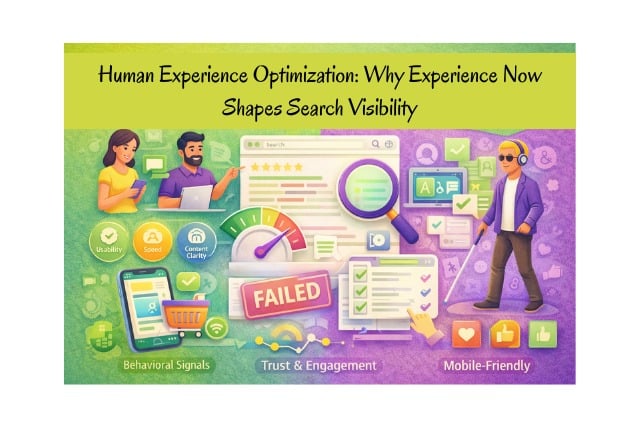
Are you wondering why some websites rank higher even with similar content and technical SEO? Human Experience Optimization: Why Experience Now Shapes Search Visibility explains that search engines now prioritize real human experience. Optimizing how users interact with your site directly impacts rankings and visibility.
SEO used to focus mainly on keywords, links, and technical fixes. Today, search engines like Google emphasize how users experience a website. Human Experience Optimization: Why Experience Now Shapes Search Visibility means improving usability, content clarity, speed, and accessibility to satisfy human visitors first.
More so, websites that focus on human experience see higher engagement, better trust signals, and improved search rankings. Beginners can learn how user behavior matters, and experts can explore advanced techniques to optimize experience at scale.
It shifts SEO toward people-first rules. Casey Nifong described this change in 2026. Engines reward post-click actions and trust now. It connects UX with search success. Human-centered SEO builds lasting visibility.
Moreover, users stay on sites that feel helpful. Engines notice these behaviors and adjust ranks. Search visibility improvement follows strong experiences.
The Shift in Search: Why Experience Now Drives Visibility
First, the search changed from keyword focus to real outcomes. Engines track actions after users click links. Users seek trust and simple paths forward. Sites provide value or vanish from results.
AI draws answers from reliable sources only. Human Experience Optimization: Why Experience Now Shapes Search Visibility guides this evolution. Behavioral SEO signals direct engine decisions.
What Is Human Experience Optimization (HXO)?
Next, HXO helps sites create positive feelings for visitors. You foster trust from search through purchase steps. HXO combines UX and brand elements with SEO foundations. Experience retains users and brings them back often. Engagement outperforms outdated signal tactics. Website usability optimization begins with basic improvements.
Why Human Experience Matters More Than Ever in 2026
Additionally, engines monitor user feelings on websites closely. They favor sites that resolve issues quickly. E-E-A-T establishes standards for quality content. Post-click behaviors reveal actual site value. Sites disregard these factors and fall in rankings. Mobile-first user experience adapts to every device. Search visibility improvement stems from satisfied visitors.
E-E-A-T as a Full Business System for HXO
Furthermore, E-E-A-T forms a complete foundation for websites. Experience demonstrates genuine knowledge through work. Expertise draws from thorough facts and evidence. Authority connects to credible sources and endorsements. Trust finalizes the framework with transparent indicators. Include bios and references, yet dig deeper always. Human-centered SEO applies E-E-A-T consistently.
Building Trust Through First-Hand Expertise and Signals
Moreover, share personal stories from direct experience. Users recognize authentic skills in specifics. Signals such as reviews strengthen credibility. Trust expands from sincere disclosures.
The Role of Post-Click Clarity and User Satisfaction
In addition, clear pages retain users longer. Satisfaction increases with straightforward discoveries. Engines detect these patterns and elevate positions. Post-click successes define visibility.
Key Components of Human Experience Optimization_ Human Experience Optimization: Why Experience Now Shapes Search Visibility
Next, improve navigation for quick user movement. Speed delivers pages within seconds. Accessibility welcomes every visitor equally. Content aligns with user searches. Design directs attention to important areas. User engagement metrics monitor progress.
Content Strategy for Optimizing Human Experience
Compose text for readers first. Align language with user requirements. Organize paragraphs into short sections. Content clarity for users advances rankings.
Technical SEO Considerations for Human Experience
Core Web Vitals evaluate loading durations. Mobile layouts accommodate small displays. HTTPS protects user information. Site speed and performance enhance confidence.
Behavioral Metrics That Shape Search Visibility
Moreover, CTR attracts users from the result pages. Dwell time indicates content interest. Bounce rate highlights mismatches. Scroll depth assesses reading extent. Interactions contribute meaningful data. Behavioral SEO signals inform engine evaluations.
Personalization, Design, and User Context in HXO
Next, apply data to customize content appropriately. Dynamic elements display relevant options. Recommendations direct logical progress. Maintain subtlety to preserve natural flow. Clean designs simplify navigation. Visual structure leads users smoothly. Accessibility in SEO broadens reach.
Measuring and Auditing Human Experience Effectively
Furthermore, Analytics tools follow user journeys. Heatmaps highlight active areas. Surveys collect user opinions directly. Session replays review visits. Connect metrics to SEO objectives. User engagement metrics expose flaws.
Applying HXO to E-commerce and Large Websites
Additionally, product pages establish trust with detailed facts. Checkout processes facilitate quick purchases. Filters assist without overwhelming users. Expand methods across extensive teams. Content and design collaborate closely. AI introduces helpful features yet preserves human essence.
Common Mistakes in Human Experience Optimization
Moreover, teams pursue rankings instead of user delight. Ads overwhelm pages and repel visitors. Pop-ups interrupt smooth journeys constantly. Neglect accessibility and exclude groups. Overlook readability and weaken signals. Excess elements damage search visibility improvement.
The Future of Human Experience and Search Visibility
AI refines search with intelligent selections. Voice requires conversational styles. Interfaces blend text and speech. Behavioral signals strengthen influence. Prepare sites for human-priority standards. Human Experience Optimization: Why Experience Now Shapes Search Visibility pioneers the path forward.
It summarizes essential ideas. Address human-centered SEO problems immediately. Website usability optimization elevates all pages. UX and SEO ranking merge for advantages. User engagement metrics direct adjustments.
More so, site speed and performance satisfy visitors. Accessibility in SEO includes everyone. Content clarity for users fosters trust. Behavioral SEO signals elevate positions. Mobile-first user experience suits devices. Search visibility improvement rewards effort.
Teams implement HXO regularly for advancement. Outcomes appear in visits and retention. Place users first, always. Victories accumulate gradually. Your site excels in search.
It concludes with steps forward. Brands initiate minor adjustments today. Observe ranks rise consistently. Prioritize people constantly. Achievement arrives soon.
Frequently Asked Questions
What defines HXO for websites?
HXO creates positive experiences for visitors. It links trust and actions to rankings.
Why does experience influence visibility?
Engines evaluate user satisfaction post-click. Positive interactions improve positions.
How does E-E-A-T support HXO?
E-E-A-T constructs trust systems. It proves expertise and reliability.
What metrics count in HXO?
Dwell time and scrolls indicate engagement. They assist engines in selections.
How do large sites expand HXO?
Teams coordinate on content. AI supports while maintaining human elements.
Conclusion
Finally, SEO today is not just about technical fixes or keywords. Human Experience Optimization: Why Experience Now Shapes Search Visibility highlights that focusing on real user interactions improves rankings, trust, and engagement.
Websites that prioritize usability, clarity, accessibility, and speed create better experiences, which search engines reward. By integrating human experience optimization into SEO strategy, businesses achieve sustainable visibility and higher user satisfaction.


 Presidents' Day Sale - 20% Off
  Groundhog Day Sale - 20% Off