
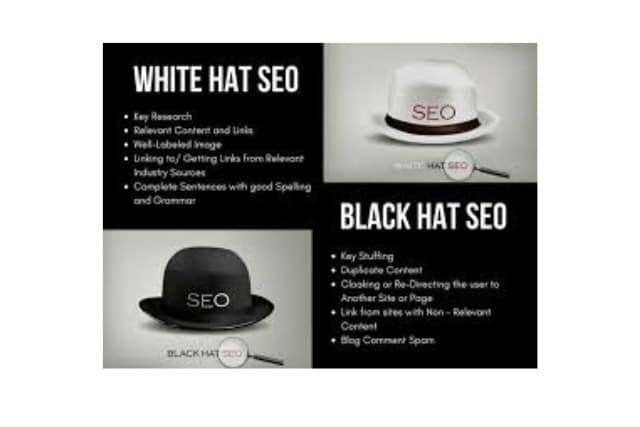
Why do some websites rank higher on Google while others disappear? In 2025, the answer lies in how businesses approach SEO—and the debate of White Hat SEO vs Black Hat SEO| What’s the Real Difference in 2025? has never been more critical.
White Hat SEO builds trust through ethical, long-term practices, while Black Hat SEO relies on shortcuts that may bring quick gains but carry heavy risks. In the U.S., where over 63% of online experiences start with a search engine, choosing the wrong approach can cost both visibility and credibility.
With Google’s AI-driven updates, stricter spam policies, and advanced detection systems, manipulative tactics are harder to hide. Some marketers still gamble on Black Hat methods, but the future belongs to White Hat strategies that align with AI, authority, and user trust.
More so, this guide unpacks their differences, risks, and rewards—so you can make the right choice in 2025.
Why the White Hat vs Black Hat SEO Debate Matters in 2025
Search engines keep evolving. Google holds 86.71% of U.S. market share. Businesses depend on it. Bad SEO hurts brands. White Hat follows rules. Black Hat ignores them. Penalties hit hard. Google issues over 400,000 manual actions monthly. Users demand value.
Fakes erode trust. AI detection in SEO 2025 spots cheats fast. Ethical SEO practices 2025 win long-term. Manipulation fails. Choose wisely now.
Next, consider growth. Good SEO drives traffic. Bad SEO crashes rankings. AI shapes search trends. Voice and image searches rise. Sustainable SEO strategies adapt well. Black Hat skips user needs. This debate guides smarter choices. Let’s explore the basics.
What Is White Hat SEO_ White Hat SEO vs Black Hat SEO| What’s the Real Difference in 2025
White Hat SEO builds sites right. You create valuable content. Search engines reward it. Focus on user needs. Earn quality links naturally. Optimize pages for speed. Use keywords smartly. Avoid stuffing.
Here’s what White Hat includes:
Quality content: Write clear, helpful articles for users.
Natural links: Partner with trusted sites for backlinks.
E-E-A-T focus: Show experience, expertise, authority, trust.
Mobile optimization: Ensure fast, user-friendly mobile sites.
Google loves honesty. Follow its guidelines. Write for people, not bots. White Hat link building methods stand out. Guest posts add value. Share knowledge.
Grow steadily. Tools like analytics track progress. In 2025, AI helps ethically. Humans refine AI ideas. Stay authentic. This path lasts.
What Is Black Hat SEO? Tactics and Red Flags to Know
Black Hat SEO cheats the system. You hide text. You buy fake links. Quick ranks tempt many. Dangers grow fast. Spot red flags early. Keyword stuffing clogs pages. Users hate robotic text.
Here’s what to watch for:
Keyword stuffing: Overusing keywords makes content unreadable.
Cloaking: Shows bots one page, users another.
Paid links: Buying links from low-quality sites.
Doorway pages: Fake pages redirect users sneakily.
Google catches these tricks. Black Hat SEO risks include penalties. Rankings drop fast. Spun content copies others. Algorithms flag it. Stay honest. Ethical ways work better.
White Hat vs Black Hat SEO_ A Side-by-Side Comparison
Compare both approaches. White Hat obeys rules. Black Hat bends them. See the gap in White Hat SEO vs Black Hat SEO: What’s the Real Difference in 2025?
Aspect | White Hat SEO | Black Hat SEO |
Techniques | Quality content, natural links | Keyword stuffing, hidden text |
Risks | Low, steady growth | High, frequent penalties |
Longevity | Lasts years | Short-term spikes |
Compliance | Follows Google guidelines | Violates rules often |
Focus | User experience first | Quick ranks only |
So, this table shows White Hat’s edge. SEO compliance vs manipulation matters. Choose smart.
Top White Hat SEO Strategies_ White Hat SEO vs Black Hat SEO| What’s the Real Difference in 2025
Create fresh content. Answer user questions clearly. Use short paragraphs. Engage readers fast. Optimize for mobile. Most searches happen there. Speed counts. Compress images. Fix errors quickly.
Next, build links right. Reach out to experts. Share useful insights. Earn mentions. White Hat link building methods evolve. Join forums. Engage communities.
Track metrics daily. Watch bounce rates drop. Conversions climb. In the U.S., 91% of marketers say SEO boosts goals. SEO best practices 2025 blend AI and human touch. Stay user-focused. Results follow.
Common Black Hat SEO Techniques and Their Consequences
Some overuse keywords. Pages sound robotic. Users leave quickly. Keyword stuffing penalties hit hard. Rankings plummet. Paid links fool engines. Link farms look fake. Google spots them. Bans strike fast.
Duplicate content steals ideas. It adds no value. Algorithms punish it. Black Hat SEO risks can ruin sites. Some businesses close. Negative SEO attacks rivals. Fake links backfire. Stay clean. Honest strategies win.
The Role of AI and Algorithm Updates in SEO 2025
AI transforms search. It catches fakes fast. Google uses AI now. Updates roll out often. June 2025’s update pushed quality. August’s spam update targeted cheats. AI detection in SEO 2025 flags bad content. Tools scan AI-only text. Blend AI with human edits. White Hat thrives. Black Hat fades.
Search habits shift. AI overviews lead. 86% of pros use AI tools. Voice search grows. Optimize for natural language. Stay current. Adapt fast.
Risks and Rewards_ Pros and Cons of Both Approaches
White Hat builds trust. Traffic grows slowly but lasts. Long-term SEO growth shines. Black Hat boosts ranks fast. But penalties hit hard. Google penalties for SEO strike frequently.
White Hat pros:
- Sustainable.
- Low risk.
- Builds loyalty.
Cons:
- Needs time.
- Takes effort.
Black Hat pros:
- Quick gains.
Cons:
- High bans.
- Damages reputation.
AI cuts organic traffic 15-25% with overviews. Ethical SEO adapts better. Weigh choices carefully.
Gray Hat SEO_ Navigating the Middle Ground
Gray Hat blends both. You push limits slightly. It’s not full cheating. Risks remain high. Aggressive link outreach works sometimes. But spammy tactics fail. AI spots gray areas. Google penalties for SEO apply here too. Test small. Lean toward White Hat. It’s safer. Stay smart.
How to Choose the Right SEO Approach for 2025
Assess your goals first. Want quick wins? Risk big. Prefer steady? Go White.
- Next, audit your site. Fix issues now. Use tools free.
- Moreover, learn updates. Follow Google news. Adapt fast.
- Also, build team skills. Train on ethics. Sustainable SEO strategies pay.
- Furthermore, measure success. Track ranks monthly. Adjust plans.
In the end, White Hat wins. It builds real value. Black Hat fades. Ethics last. Manipulation fails. Choose growth over tricks. Your site thrives. Users return. Success follows.
Frequently Asked Questions
What is the main difference between White Hat SEO and Black Hat SEO?
White Hat SEO follows search engine guidelines and focuses on user value, while Black Hat SEO exploits loopholes with manipulative tactics that risk penalties.
Is Black Hat SEO still effective in 2025?
It may bring short-term traffic spikes, but Google’s AI detection makes long-term success unlikely. Most sites using it risk bans or ranking losses.
What are some examples of White Hat SEO?
Examples include quality content creation, proper keyword research, schema markup, mobile optimization, and building genuine backlinks.
What are common Black Hat SEO tactics?
Keyword stuffing, cloaking, link farms, hidden text, and AI-spun duplicate content remain common Black Hat methods.
Can a site recover from Black Hat SEO penalties?
Yes, but recovery takes time. It requires removing manipulative practices, submitting reconsideration requests, and rebuilding trust with White Hat strategies.
At Last Words
To wrap up, the difference between White Hat SEO and Black Hat SEO in 2025 isn’t about ethics—it’s about survival. Black Hat tactics may seem tempting for quick results, but they leave websites vulnerable to Google penalties and long-term losses. White Hat SEO, on the other hand, builds authority, trust, and visibility that compounds over time.
In a world where AI-driven algorithms can spot manipulation faster than ever, the real choice isn’t between white or black—it’s between short-term gains with long-term risks and sustainable growth with lasting rewards. The future belongs to websites that focus on genuine value, not loopholes.


 Presidents' Day Sale - 20% Off
  Groundhog Day Sale - 20% Off